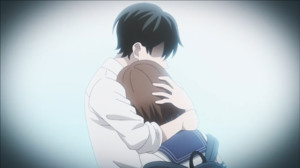
Episode 11 of Ramparts of Ice deepens the series’ examination of adolescent relationships, revenge, and how small cruelties shape who we become. This installment leans heavily into flashback territory, giving us the clearest look yet at what really happened in Koyuki’s middle school years — and why those memories still sting. Between carefully staged confrontations and quiet, guilt-tinged confessionals, the episode plays like a primetime teen drama tangled up in a moody Gothic aesthetic.
Plot recap: the middle school fracture
The episode opens by rewinding to a critical period in Koyuki’s past. We learn the specifics of her relationship with Atagawa’s older sister and how that toxic dynamic set off a chain of events. Rather than a single explosive fight, the fallout was slow and social: Koyuki and a younger Atagawa formed a transactional friendship. Koyuki gained safety and access to older students; Atagawa enjoyed the prestige of tagging along. But when Atagawa tired of maintaining the façade, she weaponized her social capital and turned others against Koyuki.
It’s a nuanced take on cruelty — not the cartoonish villainy you might expect, but the quieter, corrosive social politicking that makes school life unbearable. The episode illustrates how easily “friends” can become tools, and how abandonment rarely announces itself with fanfare. Instead, it arrives as isolation: one by one, people pick a side that isn’t yours.
The romance as collateral damage
At the core of this flashback is a mean-spirited decision that has clear emotional consequences in the present day: Koyuki dates Igarashi not out of love, but out of revenge. She admits she used him as a pawn to hurt Atagawa, a single reckless choice intended to regain social leverage. What follows — a breakup that devastates him — is ugly in its simplicity and painfully believable.
Igarashi: hero, victim, and imperfect partner
In flashback scenes, Igarashi appears as a gallant figure who defends Koyuki in front of others and provides genuine comfort. The episode positions his actions so audiences can admire him and then recoil when we learn how he was manipulated. This ambivalence matters: the show resists neat moral binaries. Teens are imperfect, impulsive, and often cruel without intending full malice. Koyuki’s betrayal of Igarashi is both petty and human — a behavior born from humiliation and fear, not cold calculation.
Koyuki’s moral complexity
Koyuki is presented less as a villain and more as a character forced into compromises. Her confession about dating Igarashi to hurt Atagawa casts her in a remorseful, self-aware light; she recognizes her cruelty, but she also recognizes the circumstances that led her there. That self-awareness doesn’t absolve her, but it deepens her: she isn’t a two-dimensional “nice girl” or “mean girl,” she’s someone still learning to be decent while carrying the scars of exclusion.
Flashback structure and pacing
Episode 11 uses its flashback sequences to excellent effect. Rather than dumping exposition, it layers scenes that reveal character motivation through small, painful beats: a shared laugh that masks resentment, a party invite that becomes a trap, a public slight that eats away at confidence. The pacing keeps the viewer invested while slowly returning us to the present, where leftover tensions reassert themselves. These transitions underscore how the past informs current relationships without becoming melodramatic.
Thematic core: friendship, reputation, and revenge
The episode’s central themes — transactional friendship, social reputation, and the corrosive lure of revenge — will resonate with anyone who’s navigated adolescent social hierarchies. The show captures the feel of middle school cruelty precisely because it opts for realism: small betrayals, ambiguous culpability, and the messy aftermath. The drama isn’t driven by a single villain but by the system of social rewards and humiliations that encourages cruelty.
Why the “mean girl” trope works here
Rather than rely on caricature, Ramparts of Ice shows how ordinary people make bad choices under pressure. Atagawa’s turn against Koyuki is relatable not because it’s cartoonish, but because it’s recognizable — jealousy, boredom, and the desire to belong can push people into mean behavior. The result is an episode that’s uncomfortable but honest, one that invites empathy without excusing cruelty.
Supporting dynamics: present-day ripples
Back in the present timeline, the drama reverberates in quieter ways: Koyuki remains guarded about her tastes, hesitant to let people in, and those around her — friends and potential romantic interests like Minato and Yota — react with a mixture of curiosity and frustration. Atagawa the Younger’s attempts at friendship, and the small love polygons forming around other characters, add texture to the episode and hint at how these relationships will evolve. Those ripples are subtle, but they promise future tension and reconciliation.
Where to watch
Ramparts of Ice is currently available for streaming on Netflix.
Final thoughts
Episode 11 of Ramparts of Ice is a mature, often uncomfortable exploration of adolescent cruelty and the decisions that come from feeling boxed in. By focusing on the small moments that erode trust, the episode avoids melodrama while delivering emotional clarity. Koyuki emerges as a complicated protagonist who made a terrible choice and must now live with it; Igarashi is both sympathetic and harmed; and Atagawa’s family dynamics add a chilling context to the present friendships. If you appreciate character-driven drama that treats teen behavior with nuance rather than caricature, this episode is one of the series’ most resonant installments.
https://www.myanimeforlife.com/ramparts-of-ice-ep-11-review/?feed_id=227871&_unique_id=6a2e6eea44f2e
Comments
Post a Comment