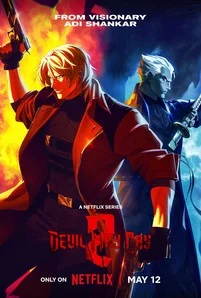
Set against a reimagined early-2000s backdrop, Devil May Cry Season 2 pivots from geopolitical allegory to a more intimate character drama wrapped in brutal, stylish action. With Dante trapped in cryogenic stasis, Lady pursuing a mysterious arsenal, and Vergil returning to Earth with a vengeance, this season digs into trauma, family, and the price of power—while delivering some of the most thrilling fight choreography and a soundtrack tailor-made for fans of late-90s/early-2000s rock.
Devil May Cry Season 2: a darker, more character-driven follow-up.
Plot and Setting: War, Secrets, and a Personal Crusade
Season 2 opens with an audacious premise: American forces are literally invading Hell. Dante, however, finds himself sidelined—cryogenically imprisoned after a bitter betrayal—while Lady races to assemble artifacts intended to build a doomsday-style weapon to finally end the demonic menace. Into this chaos returns Vergil, Dante’s estranged twin, hellbent on hunting down those responsible for their mother’s death. The result is a story that blends large-scale conspiracies (cult resurrections, shadowy paramilitary factions) with a focused, personal struggle between brothers and the people who are caught in between.
Character Work: Trauma, Motivation, and Contrasts
This season invests heavily in its trio of leads, using each character’s response to loss as the engine of the narrative.
Dante — Humor as Armor
Dante’s coping mechanism is familiar yet well-rendered: sarcasm and irreverence as shields against buried grief. He remains the show’s emotional center despite his temporary physical absence; his tendency to run from rooted identity issues—being half-demon—continues to define many of his choices.
Vergil — Discipline Turned Weapon
Vergil counters Dante’s avoidance with an obsessive, almost ascetic pursuit of strength. The show turns his rage into a believable motivational force: every training montage and cold stare feels like a step toward one inevitable collision. His actions are ruthless, but the emotional logic underpinning them—refusal to be victimized again—gives weight to his brutality.
Lady — Between Structure and Freedom
Lady occupies the middle ground: she’s lived both as the aimless avenger and as a cog in an institutional machine. Her arc this season is about reclaiming agency—discovering when rules serve justice, and when they become another form of bondage. The chemistry between Lady and Dante grows organically from their shared wounds, making their alliance—and its complications—feel earned.
The Villain: Arius and the Irony of Power
Arius is a compelling antagonist because his motivations are painfully human. His childhood humiliations and paternal abuse warped him into believing that tearing down societal structures is the only path to freedom. Ironically, by the time the series reaches him, he already wields near-limitless influence—control of media, corporate reach, and advanced technologies. His crusade against a system that elevated him adds moral ambiguity: is he a visionary, a vengeful soul, or both? The season smartly emphasizes his personal history, though his limited presence in Season 1 leaves some narrative beats feeling abrupt when he steps into the foreground.
Voice Acting and Soundtrack: A Nostalgic Audio Punch
The English cast carries the material with conviction. While some casting changes are noticeable, the performances across the board—Dante, Vergil, Lady, and Arius—land the emotional and action beats effectively. Where the season truly soars is its soundtrack: heavy-hitting tracks from artists associated with the turn-of-the-millennium era inject the series with a charged, nostalgic energy that complements the action scenes and emotional crescendos.
Animation & Fight Choreography: Blood, Style, and Homage
Animation quality is consistently strong, with standout sequences that showcase inspired choreography and brutal, kinetic combat. The series doesn’t shy away from gore when it serves the moment, and occasional visual homages and inventive camera work elevate key fights into must-watch sequences. Fans of high-octane stylized action will find a lot to admire here. For viewers interested in a specific visual callback, the season includes a clear nod to online creator edits and sequences that reference viral stylistic videos. See one memorable clip here. TactiCOOL Reloads homage on YouTube.
Adaptation Faithfulness: A New Story in a Familiar World
This season is not a direct, beat-for-beat adaptation of the games. Instead, it borrows characters, motifs, and visual cues and sets them inside an original narrative. That creative liberty works in the show’s favor for viewers who want fresh storytelling within the Devil May Cry universe, but die-hard fans expecting a strict translation of game events may be disappointed. The series reads like a love letter to the source material that chooses to write its own chapter rather than reprint an old one.
Who Will Love Season 2 — and Who Might Be Frustrated
If you tuned into Season 1 for kinetic fights, charismatic leads, and a stylish soundtrack, Season 2 doubles down on those strengths while deepening the emotional stakes. However, viewers who were invested primarily in the first season’s political allegory or who prefer exacting fidelity to the game narratives may find the season’s direction less satisfying. This installment prioritizes character study and spectacle over direct adaptation.
Final thoughts
Devil May Cry Season 2 is a confident follow-up that leans into character psychology without sacrificing the gunplay and swordplay that define the franchise. It balances visceral set-pieces with quieter, painful examinations of loss and ambition. Whether you come for the fights, the soundtrack, or the fractured family drama, this season delivers a powerful, stylish experience that stands on its own while honoring the spirit of the games.
https://www.myanimeforlife.com/devil-may-cry-season-2-review/?feed_id=231593&_unique_id=6a39a56f9ef1c
Comments
Post a Comment