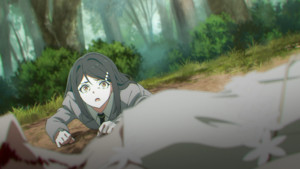
Episode 13 of Agents of the Four Seasons: Dance of Spring finally shifts focus away from its most overplayed pairings and delivers a more emotionally resonant payoff—largely by sidelining Sakura and Hinagiku and letting other characters take the spotlight. The season’s long-running mission to rescue Nadeshiko reaches a climax that leans heavily on the Autumn and Summer teams, providing genuine character beats even if the animation and enemy design don't always match the ambition. This review breaks down what works, what doesn't, and why this episode feels like the first time the series earned its melodrama.
Why Episode 13 Feels Different
After a dozen episodes of repetitive conflict and undercooked drama, episode 13 benefits from a much-needed change in focus. By minimizing Sakura and Hinagiku’s screentime, the episode can explore stakes and emotions that felt previously neglected. The narrative centers on parallel fights involving the Autumn and Summer teams, which allows the episode to build genuine tension and emotional beats rather than circling the same interpersonal friction we've grown tired of.
Action and Animation: Good Ideas, Middling Execution
Studio Wit’s involvement raises expectations for kinetic, memorable fight choreography, but this episode settles into "serviceable" territory rather than spectacular. The forested battleground feels generic, and the Insurgent mooks look like low-effort cannon fodder in matching uniforms. Their choreography is inconsistent—many enemies stand idle in scenes where they should be a credible threat, and the mix of sword-and-gun combat is sometimes incoherent. When the episode does set up dramatic clashes, it’s Ruri and Ayame’s sequences that receive the most visual attention and carry much of the emotional weight.
Set Design and Backgrounds
The forest locale is underwhelming: muted palettes and repetitive tree patterns make the setting feel stock rather than immersive. When contrasted with character-focused close-ups and occasional standout cuts, the difference becomes even more apparent. The episode would have benefited from more inventive camera work and environmental storytelling to elevate the fights beyond the choreography itself.
Character Focus: Ruri, Ayame, and the Power of Sibling Drama
What distinguishes episode 13 is its willingness to let the Autumn-Summer dynamic drive the episode’s heart. Ayame and Ruri’s relationship is the most grounded and believable in the series so far, and the episode finally leans into that intimacy. The emotional core—Ayame confronting what she believes to be Ruri’s death—lands harder than most of the show’s melodramatic beats because it’s built on established history between the twins rather than contrived, repetitive angst.
Ayame’s Arc
Ayame’s grief feels earned. The episode contrasts her earlier willingness to abandon the team and seek her own path with the version of herself who would sacrifice everything for her sister. That internal conflict gives her choices a weight that few other characters in the series have been afforded. Admittedly, the show overreaches when Ayame attempts suicide on-screen—it's melodrama to the extreme—but the emotional pivot still reads as the most genuine moment of the season.
Ruri and Nadeshiko
Ruri’s apparent death functions as a catalyst, and the revelation that Nadeshiko’s Decomposition Magic can resurrect her robs the scene of some finality—but it also reinforces the bond between the Summer sisters. Nadeshiko’s ability to bring Ruri back undercuts the stakes, but it does so in a way that highlights character relationships rather than cheapening them entirely.
Where the Episode Falls Short
There are structural and tonal problems that prevent episode 13 from being a full triumph. The Insurgent soldiers are bland antagonists, too often acting like background props rather than credible threats. Repeatedly showing them standing idly while a single protagonist dispatches multiple opponents saps urgency. Additionally, other main pairings—most notably the Spring Duo and Rosei/Itecho—remain narratively stagnant. The episode’s emotional success is therefore concentrated in a narrow portion of the cast instead of signaling broad improvement across the series.
Pacing and Payoff
The season’s pacing has been uneven, and while episode 13 attempts to deliver a climatic moment, it feels like a delayed payoff. The emotional peaks are satisfying relative to the show’s earlier failures, but they also underscore how much time was wasted building toward these beats. Fans of tight plotting and consistent character growth will find the execution frustrating.
Comparisons and Context
Many contemporary anime manage to achieve more with fewer episodes—tighter scripts, fewer repetitive detours, and more purposeful character focus. Agents of the Four Seasons occasionally hints at that level of competence but rarely sustains it. Episode 13 is an example of the show’s potential: when the writers center smaller, more intimate conflicts and remove the season’s most tired distractions, the series can generate real emotional resonance. It’s just a shame that it took so long to get here.
Where to Watch
If you want to stream Agents of the Four Seasons: Dance of Spring, the series is available on Crunchyroll. For studio details and additional production context, check Studio Wit's official pages.
Final thoughts
Episode 13 of Agents of the Four Seasons: Dance of Spring is arguably the season’s best single installment so far, not because it reinvents the show but because it strips away the bloated, repetitive elements that have bogged the series down. Ruri and Ayame’s storyline provides honest emotion and a degree of character maturity the series has too seldom offered. However, lackluster enemy design, inconsistent action staging, and lingering issues with other main characters keep this episode from being a breakthrough. For viewers still on the fence, this episode is worth watching for the twins’ arc alone—but it also serves as a reminder of how much tighter the series could have been.
https://www.myanimeforlife.com/agents-of-the-four-seasons-episode-13-review-dance-of-spring/?feed_id=231436&_unique_id=6a3956f673a59
Comments
Post a Comment