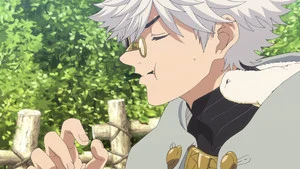
Witch Hat Atelier’s episode 9 continues to impress with quiet character work, careful world-building, and small details that make its cast feel deeply human. This installment leans into the consequences of forbidden magic, reveals why certain characters are driven by obsession, and uses deceptively simple moments—like a teacher chewing herbs—to ground the story emotionally. Below, I break down the episode’s key scenes, character beats, thematic stakes, and why the animation choices matter.
Episode overview: quiet moments, loud implications
Rather than delivering an action-heavy hour, episode 9 focuses on intimacy—small domestic details, the atelier’s internal dynamics, and revelations about the institutional controls that shape this world. These quieter moments are not filler; they pull back the curtain on why certain laws exist and who benefits from them. The episode smartly balances slice-of-life beats with ominous implications, hinting at political and ethical tensions underpinning the series’ magic system.
Character dynamics and emotional realism
One of the episode’s strengths is how it makes its characters feel fallible and lived-in. Qifrey, normally framed as a reliable mentor, is shown doing something unglamorous—stuffing herbs in his mouth and chewing without ceremony. It’s a small, somewhat messy moment, but it humanizes him. The show resists idealizing him and instead uses that detail to remind viewers that even authority figures are flawed and vulnerable.
Agott and the weight of worth
Agott’s arc in this episode revolves around worthiness and inheritance. Her bitterness toward the Arklaum family’s decision to deny her apprenticeship drives much of her behavior. Coco’s presence complicates Agott’s sense of identity—if magic can appear in an Outsider like Coco, what does that mean for bloodline privilege? The episode examines how exclusionary traditions warp self-esteem and create relentless pressure to prove oneself.
Coco as a pure love of magic
Where many adults see magic as a resource or a status marker, Coco is portrayed as someone who simply delights in the craft. That unguarded relationship with magic is precisely what makes her both inspiring and dangerous in the eyes of those who wish to control power. This contrast—innocent curiosity versus institutional control—fuels much of the episode’s tension.
Qifrey’s obsession and the origins of the Pact
The episode sheds light on a crucial element of the world: the Pact’s restriction on spells that affect the human body, including healing magic. The narrative explains that certain medical spells—like the twinning spell used on Coco’s jar—originated to sustain apothecaries and hospitals by keeping medicinal supplies consistent. The fact that medical magic was swept away during the Pact raises uncomfortable questions about who benefitted from that decision.
Why would lawmakers ban healing? The episode implies it wasn’t purely about safety; it was also about control. Removing body-affecting magic strips communities of autonomous care and centralizes power with sanctioned institutions like the Knights Moralis. If healers had their memories wiped and their practices outlawed, the society that remained would be more dependent and easier to police—which aligns with the show’s broader critique of power structures.
Thematic tensions: power, exclusion, and the cost of security
All characters in this arc respond differently to the same set of rules, offering a study in attitudes toward authority. Tetia wants to help people, Richeh resents adult-imposed rules, Tartah feels like an outsider searching for belonging, and Olruggio acts without considering optics. The Knights Moralis represent rigid, top-down enforcement, while other adults—like Qifrey—reveal how ambition and secret knowledge can lead to rule-bending. These competing impulses raise a central question: who should decide who is allowed to wield magic?
The episode also touches on class and lineage. Agott’s desperation to validate herself through the Arklaum legacy underlines how gatekeeping reproduces inequality. Conversely, Coco’s uncalculated love of magic suggests that restricting knowledge doesn’t eliminate talent; it only prevents potential from being nurtured ethically.
Visual storytelling and animation details
Witch Hat Atelier’s attention to the small visual choices is part of what makes this episode resonate. The animators don’t stylize every beat; sometimes they let characters look disheveled, made-messy, or exhausted. Those choices make their emotions feel real. Even the small companion creature—playful and oddly ferret-like—adds tonal warmth and gives the atelier a lived-in, domestic texture. These design choices enrich character moments and reinforce the series’ blend of wonder and groundedness.
Sound design and mood
Sound plays a subtle but important role, from the rustle of leaves to the clack of tools in the atelier. The episode uses audio cues to make mundane tasks feel narrative—turning routine into revelation—so viewers absorb world-building without it feeling expository.
Where to watch
Witch Hat Atelier is available for streaming; if you want to catch this episode, you can find the series on Crunchyroll.
Watch Witch Hat Atelier on Crunchyroll
Final thoughts
Episode 9 is a reminder that great storytelling often lives in small moments. By humanizing authority figures, exposing the origins and consequences of restrictive laws, and emphasizing how different characters relate to power, the episode deepens the series’ moral questions without sacrificing charm. The result is an installment that advances plot and character while preserving the quiet wonder that makes Witch Hat Atelier so compelling. If the show keeps combining intimate character work with thoughtful world-building like this, it will remain one of the season’s most emotionally satisfying offerings.
https://www.myanimeforlife.com/witch-hat-atelier-episode-9-review/?feed_id=219936&_unique_id=6a179f7db6f42
Comments
Post a Comment