Ascendance of a Bookworm Part 3: Adopted Daughter of an Archduke continues to lean on the quiet charms that made the series a comfort-watch staple: meticulous craft, gentle humor, and a steady parade of small, rewarding victories. Episode 6 mostly trims loose threads and delivers a tidy, pleasant hour of character work—complete with an oddly adorable highbeast design and a fundraising harspiel that doubles as both crowd-pleaser and marketing demonstration. If you’re invested in the show’s procedural delights—especially the printing-and-invention beats—this episode does exactly what you’d want: it shows the gears turning, and lets the characters enjoy the payoff.
Episode Overview: Simple, Charming, and Procedural
This installment doesn’t chase high drama or sudden reveals. Instead, it methodically reels in a handful of plot points that had been rolling along: the development of Rosemyne’s highbeast, the harspiel concert fundraiser designed to popularize printing tech, and the continued interplay between Rosemyne’s pragmatic inventiveness and the world’s social expectations. The episode’s strength comes from its refusal to overreach—small, well-executed moments add up to something satisfying without needing a big twist.
The Highbeast: Cute Design, Sketchy Ethics, and Worldbuilding Gaps
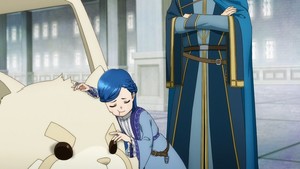
One of the episode’s lighter beats revisits Rosemyne’s creation of a “highbeast”—a domesticated, magically engineered creature intended to shoulder burdens and provide transportation. The sequence has a slightly perfunctory feel, as if checking off an item on a long to-do list, but it works because the design is irresistibly cute and Rosemyne’s enthusiasm sells the concept.
That said, the scene raises larger ethical and worldbuilding questions that the episode opts not to explore deeply: the idea of manufacturing life for servitude feels uncomfortable on closer inspection. The show briefly flirts with this moral angle but ultimately prioritizes charm and humor. The narrative choice is understandable—Ascendance of a Bookworm has never been a heavy-handed moral drama—but viewers with a taste for more critical worldbuilding may find this beat a missed opportunity.
An obvious inspiration: Totoro vibes
There’s an explicit wink in Rosemyne’s creative intent: the highbeast evokes a Catbus-like energy—playful, cozy, and whimsical. The protagonist even admits she’s drawing from “anime and stuff,” which is a sly meta-nod that lands nicely for fans. If you want to see the likely inspiration, check out this overview of My Neighbor Totoro (nofollow) for context. The juxtaposition of Rosemyne’s eccentric design sensibilities and the exasperated reactions of more straight-laced characters like Ferdinand creates a steady stream of low-key comedy.
The Harspiel Concert: Fundraising, Idols, and Small-Scale Spectacle
The episode’s centerpiece is the harspiel concert—a hybrid of classical performance and pop-idol spectacle staged as a fundraiser to showcase Rosemyne’s printing technology. The plotting here is pragmatic: Rosemyne knows exactly what will sell to the target audience, and she runs the show like a savvy producer. She uses audience-pleasing imagery (a deliberate exploitation of Ferdinand’s good looks) and integrates demos of printing tech into the concert narrative so donors get both entertainment and proof of concept.
What’s striking is how the episode balances the comedic and the practical. The fainting-fan gag plays as light satire of idol culture without derailing the episode’s core purpose. Even when the sequence threatens to tilt into parody—fans waving magical wands like smartphones or knights carrying swooning admirers—the show keeps the tone measured. The harspiel never feels like a spectacle for spectacle’s sake; it’s a tool in Rosemyne’s toolkit.
Magic tech and modern trappings
One of the more amusing design choices is Rosemyne’s use of a tablet-shaped device as a magic microphone controller. It’s a clever visual shorthand that blends in-world magic with familiar modern interfaces. These moments of cultural collision—smartphone-shaped items in a pre-industrial fantasy realm—are part of what gives the series its particular flavor: innovation presented through relatable analogies.
Character Dynamics: Rosemyne and Ferdinand
The episode continues to walk a careful line between affection and propriety in the relationship between Rosemyne and Ferdinand. The show leans into Ferdinand’s unexpected idol magnetism for laughs and fundraising utility, and even Rosemyne gets a little flustered by how effective his presence can be. But the series wisely keeps their interactions mostly platonic and professional, which preserves the story’s focus on invention and business-building rather than romantic melodrama.
Sylvester’s brief involvement—an eyebrow-raising reaction followed by an invitation to join the spectacle—adds another layer of social navigation. The show sidesteps any lasting scandal by turning awkwardness into collaboration, which fits the series’ tendency to defuse tension with practical solutions.
Animation and Production Notes
This episode isn’t an opportunity for flashy choreography or dramatic animation flourishes; the harspiel’s musical numbers are staged with economical movement and a few standout character-cute moments. That’s consistent with the show’s production priorities: spending animation resources where the narrative benefits most. There are some handsome shots—particularly of Ferdinand surrounded by shoujo-esque sparkles—but the episode’s real showcase is its writing and pacing, not its visual pyrotechnics.
How This Moves the Season Forward
Rather than pivoting to a new dramatic arc, episode 6 ties up ongoing threads and reinforces the series’ bread-and-butter focus on technological progress and commerce. The waxing-machine plan—building multiple competing prototypes to staff several workshops—gets confirmed here as part of a larger, methodical strategy. With the fundraiser successful and public interest piqued, the show has set the stage to return to the nitty-gritty of printing and manufacturing innovations, only now with a wider audience and deeper resources.
If you’re following the series for its inventive problem-solving and the joy of watching a determined protagonist execute plans step by step, this episode will feel like a satisfying checkpoint rather than a climax.
Ascendance of a Bookworm Part 3: Adopted Daughter of an Archduke is available to stream on Crunchyroll (nofollow).
Final thoughts
Episode 6 is textbook Bookworm: low-conflict, character-forward, and deeply invested in the pleasures of invention and demonstration. It doesn’t reinvent the series or deliver a major emotional payoff, but it tidies up plot threads, delivers several genuinely cute moments (the highbeast is a highlight), and reinforces the show’s core identity. For viewers who appreciate methodical worldbuilding and soft humor, this episode is a comforting, well-paced entry that keeps momentum rolling toward the next round of printing innovations.
https://www.myanimeforlife.com/ascendance-of-a-bookworm-s3e6-review/?feed_id=216508&_unique_id=6a0b91d6bc561
Comments
Post a Comment