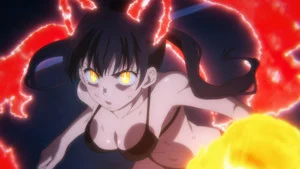
Fire Force season 3 episode 20 leans into the series’ most chaotic instincts and doubles down on a bold, divisive experiment: treating fanservice not just as comic relief but as a thematic fulcrum. Between uncanny live-action inserts, Studio David’s gleefully outrageous animation, and a theatrically staged showdown between Tamaki and a Doppelgänger of Assault, this installment pushes the show’s confident (and often juvenile) tone to full volume. The result is messy, frequently hilarious, and deliberately provocative — an episode that will thrill some viewers and frustrate others in equal measure.
Opening: Live-Action and a Mixed-Media Flourish
One of the episode’s most striking choices is its opening sequence — a few uninterrupted minutes of eerie live-action footage depicting Sister Sumire’s pre-Cataclysm “normal” life. This mixed-media detour feels intentionally silly and unsettling, a clear sign that the creative team at David Production (credited here as Studio David in promotional notes) is having fun pushing the anime’s audiovisual boundaries. That risk pays off by unsettling expectations and setting a surreal tone that carries through the episode’s central confrontation.
Tamaki vs. Assault’s Doppelgänger: The Episode’s Big Idea
At the center of “Where Hope Is” is an absurdly theatrical showdown: Tamaki squared off against a sexually puritanical Doppelgänger of Assault. The set piece is less a straight fight and more a meta-commentary on Tamaki’s entire role in the series — a living protest against decades of fanservice debates. The episode stages a cartoonish courtroom of public opinion, embodying both the “prude” backlash and the unapologetic fan embrace of eroticized characters. This framing turns an otherwise standard battle into a debate about what fanservice does to fans and characters alike.
When Fanservice Becomes a Thematic Weapon
Instead of treating Tamaki’s Lecher Lure as mere fanservice, the episode attempts to justify it within the show’s mythology. Tamaki’s abilities — and the way they’re portrayed — become a narrative device about shame, desire, and collective perception. The series’ creator-esque voice seems to wag a finger at critics while also celebrating the ridiculous spectacle. That paradox is intentional, but it’s a double-edged sword: it’s creative and bold, but it’s also likely to annoy viewers who have long felt Tamaki’s portrayal lacked sensitivity or nuance.
Characterization and Narrative Consequences
A consistent critique of Tamaki has been that her powers were written like a curse rather than a chosen aspect of identity, which made many of her early moments feel demeaning rather than empowering. This episode tries to reclaim that history by letting Tamaki own the chaos she inspires — but it doesn’t fully reconcile why she was never written with more interiority. The result is a partial vindication: she gets a gloriously over-the-top moment, but the show doesn’t entirely address the underlying imbalance in how her character has been handled.
Animation, Tone, and David Production’s Confidence
Animation-wise, the episode is unapologetically flamboyant. David Production doubles down on exaggerated expression, dynamic motion, and a palette that supports both the grotesque and the comedic. The mixed-media sequences and fourth-wall-shattering gags give the episode a festival-like energy — sometimes arrogant, often gleeful. It’s the kind of bold aesthetic choice that either signals creative courage or reckless indulgence, depending on your tolerance for the series’ brand of irreverence.
Visuals as Satire
By amplifying Tamaki’s antics to cartoonish levels, the show effectively satirizes the fanservice-versus-morality debate. Scenes that would otherwise be simple titillation become commentary, and the animation’s commitment to absurdity shores up the episode’s argument: Fire Force will not tiptoe around its own silliness. Whether that makes for better storytelling is debatable, but it does produce memorable, if messy, set pieces.
Why This Episode Divides Fans
There are three reasons viewers will polarize on episode 20:
- Tone and Intent: The episode’s smug confidence will charm fans who like the anime’s bravado but alienate viewers seeking nuance.
- Character Treatment: Tamaki’s arc finally gets a flamboyant showcase, but the lack of deeper emotional development leaves some narrative debts unpaid.
- Meta-Commentary: Using fanservice as a story engine is clever, but it can feel like preaching to the choir or needlessly rubbing salt into long-standing controversies.
Context: How This Fits Near the End of Season 3
As the Great Cataclysm accelerates and the series barrels toward its climax, episodes like this serve a dual purpose: they lighten the pacing with outrageous spectacle while also attempting to fit disparate themes into a larger cosmology. That synthesis doesn’t always land, but it does make Season 3 feel fearless. If the show’s endgame continues in this register — equal parts high-stakes mythology and self-aware absurdity — fans should expect more tonal rollercoasters.
For viewers who want to catch the series, Fire Force is streaming on Crunchyroll. For more background on the studio behind much of the show’s distinctive animation style, see David Production’s profile. Watch Fire Force on Crunchyroll | David Production (Wikipedia)
Final thoughts
Episode 20 is quintessential Fire Force: loud, unapologetic, occasionally tone-deaf, and weirdly earnest. It won’t resolve the larger debates around Tamaki’s portrayal, but it does commit to a daring tonal gambit that blends satire, spectacle, and self-parody. If you love the series for its audacity, this episode is a highlight; if you hoped for thoughtful rehabilitation of problematic elements, it will likely disappoint. Either way, it’s impossible to ignore — and that, perhaps, is exactly the point.
https://www.myanimeforlife.com/fire-force-season-3-episode-20-review/?feed_id=177060&_unique_id=69a56f637ad7b
Comments
Post a Comment