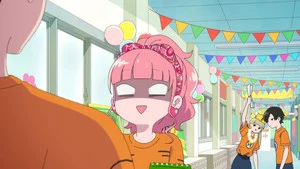
Episode 6 of You and I Are Polar Opposites leans into the series’ strengths: low-key comedy, character-driven moments, and a school festival backdrop that stirs up both laughs and surprisingly earnest relationship work. This installment gives Miyu and Tani their first meaningful emotional test while still finding time for the show’s quieter, awkward charm — especially in the form of Nishi’s painfully relatable social anxiety. Below I break down the episode’s key beats, what works about the character dynamics, and why this festival-focused outing might be one of the series’ most satisfying so far.
Episode Recap: Festival Fun Meets Relationship Reality
The episode situates its major scenes during a lively school festival — a familiar rom-com set piece that the show uses effectively to both entertain and complicate its central romance. The main thread sees Miyu and Tani confronted with an uncomfortable reminder from their past: Rihito, a boy Miyu briefly "dated" in middle school, makes an appearance. While the short-lived middle-school romance was more rumor than real relationship, the awkward memories linger and create an honest moment of insecurity for both Miyu and Tani.
Meanwhile, Nishi’s subplot provides a softer, comedic counterpoint. Her attempts to navigate a burgeoning friendship (and possible crush) with Yamada remain halting and painfully awkward — in the best way. The episode balances these two arcs without sacrificing tone, letting romance and embarrassment coexist within the same episode.
Nishi Watch: Awkward Growth and Social Anxiety
Nailing the Small Moments
Nishi remains the series’ go-to source of sympathetic cringe. Her texting overthinking and avoidance of phone calls are written with an empathetic eye — it’s easy to laugh, but it’s also easy to feel for her. The episode shows real progress when Nishi manages to maintain a group conversation about her photography without becoming overwhelmed. That small victory functions as character growth; it’s subtle, believable, and earned.
Why Nishi Works as a Subplot
Her storyline does more than provide comic relief: it highlights different forms of communication and fear in teenage relationships. Where Miyu and Tani face a direct romantic test, Nishi’s problem is quieter and slower-moving, reflecting how many real-world friendships and crushes evolve. The contrast between the two arcs strengthens both, making the ensemble feel lived-in.
Miyu, Tani, and the Ex: Jealousy Handled with Heart
Not-So-Serious Exes, Real Feelings
Rihito’s cameo is handled with surprising nuance. The “ex” tag is misleading — their middle-school dating was brief and pressured by peers. The episode uses that history to explore how even short relationships can leave lingering awkwardness. Miyu’s instinct is to downplay what happened to avoid hurting Tani, but she ultimately decides honesty is the healthier route. That admission — that the memory affected her — becomes the foundation for deeper trust.
Why This Moment Matters
For a rom-com that prefers to stay light, the show’s decision to let Miyu and Tani confront jealousy head-on is significant. It avoids melodrama while still treating the characters’ emotions as real. Tani’s jealousy is not explosive; it’s tender and human, the kind of small insecurity that strengthens a relationship when addressed honestly. Their choice to call each other by first names afterward marks a meaningful step forward in intimacy without needing grand declarations.
Thematic Threads: Communication, Honesty, and Timing
Episode 6 crystallizes recurring themes of the series: how people communicate (or fail to), the importance of honesty in relationships, and the awkward ways past experiences influence present feelings. The festival setting amplifies these themes — social pressure, public encounters, and the performative nature of teenage life all come into play. The writing leans into realistic emotional beats rather than contrived drama, which keeps the episode grounded and emotionally satisfying.
Visuals, Comedy, and Pacing
Visually, the episode keeps the series’ bright, clean aesthetic while letting small facial expressions and micro-gestures carry much of the humor. The comedic timing is particularly strong during the runs-in and forced “normal” conversations with Rihito, where silence and body language do most of the work. Pacing-wise, the episode moves briskly between moments of levity and the quieter emotional conversations, never lingering too long on a single gag or beat.
Soundtrack and Direction
The soundtrack plays a subtle but effective role — light, buoyant cues for festival antics and softer, quieter music underscoring the more vulnerable Miyu/Tani moments. Direction prioritizes character reactions, giving viewers room to read awkwardness and warmth in every pause.
Where to Watch
You and I Are Polar Opposites is available for streaming on Crunchyroll. For more details on episodes and release info, visit Crunchyroll’s series page.
Watch You and I Are Polar Opposites on Crunchyroll
Final thoughts
Episode 6 proves the show can do more than just fluffy, episodic charm. By pairing a low-stakes festival setting with honest emotional beats, it deepens Miyu and Tani’s relationship in a way that feels earned and satisfying. Nishi’s incremental growth offers a nice tonal counterbalance, reminding viewers that not all progress in romance (or friendship) needs fireworks — sometimes small victories are the most meaningful. If the series continues to blend gentle humor with moments of genuine character work like this, it will remain one of the season’s most comforting and rewarding rom-coms.
https://www.myanimeforlife.com/you-and-i-are-polar-opposites-episode-6-review/?feed_id=168921&_unique_id=699493ee56e30
Comments
Post a Comment