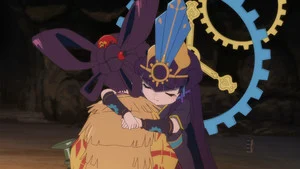
Sakuna: Of Rice And Ruin surprised many fans by returning with a two-part special that shifts the spotlight off its titular goddess and onto her friend Kokorowa. Light on grand stakes but rich in atmosphere, the special leans into the laid-back, educational charm of the original game adaptation—especially when it comes to rice cultivation. This review explores how the Kokorowa-focused episodes expand the show's world, the strengths of its agricultural detail, and why the overall plot feels more like a pleasant detour than a necessary continuation.
Overview: A Low-Stakes Return to Hinoe Island
Rather than continuing the main storyline or deepening Sakuna's arc, these two episodes function as a compact character piece for Kokorowa. She arrives on Hinoe Island with a writer's dilemma: her novels have always been built from fantasy, and now she wants to ground her next work in lived experience. The solution she chooses—secretly farming a rice plot under Sakuna’s watchful eye—sets the stage for a quiet exploration of work, inspiration, and the surprising difficulty of agricultural labor.
Why the Farming Scenes Work
The real highlight of the special is its agricultural authenticity. Fans of the game and newcomers alike will find satisfaction in the painstaking attention given to each step of rice cultivation. These episodes treat farming not as backdrop, but as the narrative engine that shapes Kokorowa’s growth.
Practical Rice Cultivation Details
Small, practical details are consistently used to build atmosphere: boiling seeds to prevent disease, crushing seedlings to encourage vigor, and the seemingly endless cycle of planting and tending that turns fields into food. These moments are educational without feeling like a lecture; they reward viewers’ curiosity and showcase the show’s ability to translate game mechanics into cinematic detail.
A Sense of Labor and Reward
The series does a great job illustrating how much unseen work goes into a harvest. The monotony, the careful timing, and the constant battle against nature make Kokorowa’s journey believable. Her gradual appreciation for physical toil—contrasted against her prior reliance on imagination—creates a satisfying miniature arc.
Kokorowa’s Spotlight: Character and Conflict
Kokorowa is an interesting choice for a solo spotlight because she was primarily a supporting presence in the main series. Here, the show reframes her as both a foil and a mirror for Sakuna: she’s intellectually capable but inexperienced in hands-on work. That gap becomes the central lesson of the special—experience enriches art, and humility grows from effort.
Writer’s Block and Creative Stakes
Her motivation is simple and relatable: to gather material for a novel under a secret pen name. This conceit allows the special to explore imposter syndrome and competitive motivation—Kokorowa wants to outshine another author, and that rivalry fuels her stubborn determination. The payoff, however, is quietly delivered: the same author who inspired her to start publishing ultimately emerges as the catalyst for her perseverance, reversing the supposed rivalry into a full-circle encouragement.
Threats, the Demon Insect, and the Game-Like Moment
For most of the special, the tone remains grounded and domestic, but the plot introduces a dramatic threat in the second episode: an insect infestation brought secretly aboard a vessel. The infestation jeopardizes the island’s harvest, and the progression from realistic pest control (oil as a deterrent) to a supernatural showdown with a demon insect is deliberately game-like.
Balancing Realism and Fantasy
The insect demon is the most overtly fantastical beat in these two episodes, and it’s notable how the series keeps most scenes rooted in plausible farming practice until the conflict escalates. This balance preserves the show’s identity as a video-game adaptation—there’s an expected combat resolution—while still allowing the quieter farming sequences to breathe. The combat itself feels almost tacked-on in premise, but well-executed enough that it doesn’t undercut the rest of the special.
Pacing, Tone, and the Limits of a Short Special
Because it’s only two episodes long, the special never aims for sweeping narrative ambition. That’s both its strength and its weakness. On the one hand, the compact runtime lets the show concentrate on mood and detail: the island life, the camaraderie, and the small triumphs of agricultural work. On the other, the plot beats—Kokorowa’s secret project, her professional rivalry, the insect infestation—are resolved quickly, which makes some of the emotional turns feel less earned than they might in a longer arc.
Why It Feels Like a Detour
If you were looking for major developments in the broader Sakuna storyline, you won’t find them here. Instead, the episodes function as a slice-of-life detour that reinforces the themes the series already established: the dignity of work, the importance of experience, and the quiet rewards of doing something with care. For viewers who loved the original for those exact qualities, that’s likely enough. For those craving plot progression, the special may come across as pleasantly inconsequential.
Where to Watch
Sakuna: Of Rice And Ruin (including the Kokorowa special) is available for streaming—check platforms like Crunchyroll for availability in your region.
Final thoughts
The Kokorowa Rice Cultivation Diary offers roughly forty minutes of calm, instructive, and slightly game-like storytelling. It won’t change anyone’s opinion about the core series, but it reinforces what Sakuna does best: turn labor into narrative texture and treat ordinary details with reverence. As a compact character study and a miniature celebration of rice farming, the special is pleasant, informative, and soothing—an ideal watch for fans who wanted one more taste of Hinoe Island without demanding anything dramatic in return.
https://www.myanimeforlife.com/sakuna-episodes-14-15-review/?feed_id=175045&_unique_id=69a0cef5c59a2
Comments
Post a Comment