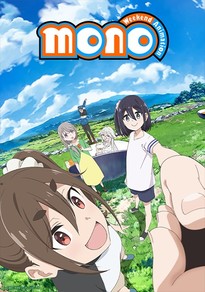
mono arrives as a warm, unassuming slice-of-life that leans into comfort and routine rather than grand ambitions. At its core: a high school photography club on the brink of folding, a struggling mangaka who donates a camera, and a small group of girls who rediscover friendship through simple one-day adventures, candid snapshots, and quiet humor. For viewers who crave cozy pacing, carefully observed moments, and the soft glow of everyday life, mono delivers exactly what it promises.
Synopsis
When the high school photography club is on the verge of shutting down, club members Satsuki and An receive a camera from mangaka Haruno. Together with classmate Sakurako they chase the perfect shot—and the joys of afterschool life.
mono follows Satsuki, An, and their classmates as they try to save their afterschool photography club. After receiving a camera from Haruno Akiyama, a hopeful mangaka looking for inspiration, the group sets off to capture images of local streets, seaside backroads, and slice-of-life scenes worth framing. Episodes alternate between light comedy, small character beats, and genuinely lovely sequences that highlight place, mood, and friendship.
Why mono Works as Slice-of-Life
Simple premise, consistent payoff
mono doesn’t try to reinvent the genre. Its premise is familiar—club activities, seasonal outings, and gentle school-life drama—and the show leans into that familiarity with confidence. Because mono focuses on execution rather than innovation, each short vignette feels complete: a day trip becomes an emotional arc, a prank becomes a character reveal, and a failed experiment turns into a bonding moment.
Characters who fit the vibe
The cast is understated by design. Rather than spotlighting eccentric extremes, mono treats its girls as an ensemble: personalities blend, complement, and support one another. Haruno stands out with a distinct voice—ambitious, slightly frazzled, and passionate about crafting manga—while her cat Taisho adds comic relief and charm. An’s bratty but lovable antics, Satsuki’s steady presence, and Sakurako’s quiet energy create a comfortable balance that keeps the series grounded.
Humor, timing, and visual warmth
mono’s humor mostly comes from everyday mishaps and well-timed visual gags. A scene where a character attempts to provoke Taisho with a pickle becomes a recurring laugh because of its precise timing and expressive animation. The show’s quieter jokes—like manga chat logs that spiral out of control—land because the tone never becomes frantic. Visually, mono favors clean lines, soft colors, and scenic backgrounds that elevate mundane outings into postcard-ready sequences.
Characters & Relationships
The relationships in mono are the series’ emotional currency. Haruno’s goal of turning club-life experiences into manga material gives the group a soft purpose beyond simply saving the club. This creative framing allows the series to explore friendship through the lens of art—how daily interactions inspire stories, and how ordinary days can feel extraordinary when shared. The interplay between Haruno’s authorial ambition and the girls’ earnestness forms the show’s core dynamic.
Comparisons: mono vs. Yuru Camp
Shared lineage, different flavor
mono is often compared to Yuru Camp because of its creator and its soothing approach to slice-of-life storytelling. Both series prize atmosphere, character-driven moments, and the restorative power of shared hobbies. However, where Yuru Camp centers on the contemplative rituals of camping and wide-open landscapes, mono places more emphasis on urban and semi-rural day trips, close-knit banter, and a playful, sometimes slapstick sensibility.
Strengths and limits
mono’s greatest strength is its fidelity to genre comforts: predictability becomes a feature, not a bug. The trade-off is that the series rarely pushes boundaries. If you want transformative character arcs or genre-blending surprises, mono may feel modest. But if you want a dependable, well-executed slice-of-life with charismatic leads and pleasant visuals, mono does the job very well.
Standout Moments
Among the series’ highlights: the playful scenes with Taisho the cat, the skateboarding and backroad outings that showcase tight animation and location detail, and a final-episode attempt at a mock “found footage” horror short that somehow keeps the tone light and amusing. Haruno’s solo-focused episode—where she spends time with fellow mangaka friends—offers one of the show’s best windows into its creator-as-character conceit, mixing absurdity with genuine affection for creative work.
Who Should Watch mono?
mono suits viewers who enjoy gentle, low-stakes anime centered on friendship and everyday joy. Fans of relaxing series that prioritize mood over momentum will appreciate the show’s pacing and aesthetic. If you loved cozy, character-focused anime but don’t need major plot twists or dramatic escalation, mono is a comfortable, rewarding watch.
Further reading
For context on the slice-of-life tradition and similar series, check out the Yuru Camp page above or explore community listings on MyAnimeList for more recommendations. (External links set to nofollow.)
Final thoughts
mono isn’t trying to be groundbreaking. Its charm comes from doing familiar things very well: tight slice-of-life setups, pleasing visual design, and characters who are easy to care about. It embraces cliché as a design choice, turning predictable beats into a reliably warm experience. If you’re looking for a cozy anime that captures the small pleasures of afterschool life and creative camaraderie, mono is a quietly satisfying pick—an unpretentious small delight for viewers who prefer comfort and consistency over spectacle.
https://www.myanimeforlife.com/mono-manga-news/?feed_id=168476&_unique_id=6993e5d4a25bf
Comments
Post a Comment