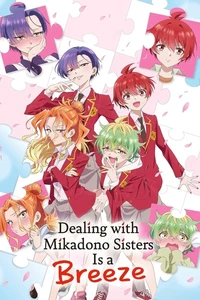
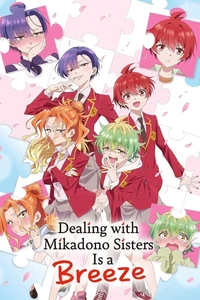
Dealing with Mikadono Sisters Is a Breeze — A bright harem-slice drama about family and expectations.
Dealing with Mikadono Sisters Is a Breeze surprises by blending familiar harem mechanics with heartfelt explorations of family, pressure, and identity. At first glance it looks like another seasonable romcom: a hapless young man finds himself living with three extraordinarily talented sisters. But beneath the colorful surface the series digs into what it means to be admired for talent, how perfection can be a burden, and why a found family sometimes matters more than romance.
Synopsis — The Setup That Drives the Drama
The series follows Yuu Ayase, the teenage son of a famous actress who recently passed away. Expected by many to inherit his mother's talent and charisma, Yuu instead finds himself ordinary and painfully aware of the comparisons he faces. Taken in by the wealthy Mikadono family, Yuu now lives under the same roof as three prodigious sisters: Miwa, an undefeated shogi genius; Niko, a disciplined martial artist; and Kazuki, the eldest, a celebrated young actress. The story centers on how Yuu’s presence disrupts — and eventually nurtures — this household of near-perfect people.
Themes: Talent, Pressure, and the Cost of Perfection
Where the show stands out is its willingness to treat talent as a double-edged sword. Each sister’s ability gives her prestige but also imposes limits and expectations. Miwa’s shogi mastery isolates her socially; Niko’s martial arts devotion demands a strict lifestyle; Kazuki’s acting success has confined her life experiences to staged emotions. The series consistently reminds viewers that visible achievement masks private struggles — and that excellence often requires unseen sacrifice.
Impostor Syndrome and Emotional Labor
Yuu’s arc is driven by a longing for belonging rather than romantic conquest. He’s repeatedly judged against an absent ideal — his mother — and that comparison fuels both empathy and resentment. The show handles impostor syndrome with nuance: characters who seem enviable externally grapple with loneliness, anxiety, and the fear of losing what they’ve worked for. These emotional stakes raise the series above purely titillating harem fare and push it toward genuine character drama.
Characters & Performances
The Mikadono sisters are written with clear individual identities, and the cast delivers performances that match. Each sister has distinct colors, mannerisms, and emotional beats that make them feel like a believable family unit rather than interchangeable harem archetypes. Yuu’s cheerful exterior hides a more complicated interior, and his role as someone seeking family rather than romance reshapes the usual dynamics between protagonist and heroines.
Standout Dynamics
The push-and-pull between Yuu’s gentle influence and the sisters’ need to maintain perfection produces the show’s strongest scenes. He offers them glimpses of a fuller life, yet his presence also threatens to distract them from goals their father expects them to protect. That familial tension — a mostly absent father whose shadow affects everyone — is a compelling emotional engine throughout the series.
Visuals and Sound: Bright, Lively, and Heartfelt
Visually the anime embraces a vibrant palette. The art leans into bold, distinct colors for each character, supported by expressive facial animation that ranges from intense dramatic beats to playful chibi moments. This combination keeps the tone light when needed and emotionally resonant when the narrative demands it. Musically, the score leans on a tender guitar motif that accentuates quieter, emotional scenes and helps sell several of the series’ best moments.
Dub vs. Sub — Casting Choices That Matter
Both the original and English casts bring strengths. The sisters’ vocal performances deliberately show family resemblance while remaining unique; their outbursts and softer moments feel age-appropriate and convincing. The English lead performs well, but some thematic beats — like the protagonist’s somewhat androgynous vocal traits in Japanese — land differently between versions. That variance highlights how casting choices can shift small but meaningful aspects of a character’s presentation.
Strengths and Small Flaws
The series earns praise for turning common harem tropes into believable, emotionally motivated behavior. Familiar devices — awkward confessions, jealousy, and misunderstandings — are grounded by character motivations and the central theme of family. If anything holds it back, it’s moments where the show hints at deeper exploration but pulls back for comfort or to maintain the familial dynamic instead of pursuing a bolder romantic or psychological turn. Still, those choices rarely derail the show’s core strengths.
Why It Resonates
Ultimately, the anime works because it cares about its characters. When a series invests in showing why its people are the way they are, it transforms a genre formula into something much more affecting. Bright presentation, reliable comedic timing, and genuinely touching emotional beats make this a recommendation for viewers who like their slice-of-life with added depth.
Final thoughts
Dealing with Mikadono Sisters Is a Breeze is an unexpectedly warm and thoughtful entry in the harem-slice subgenre. It strikes a satisfying balance between lighthearted comedy and earnest character work, using the trappings of talent and perfection to explore loneliness, responsibility, and the meaning of family. If you enjoy bright, character-driven anime that treats tropey setups with sincerity, this show is well worth your time — it surprised many viewers by becoming one of the season’s most emotionally engaging offerings.
Comments
Post a Comment