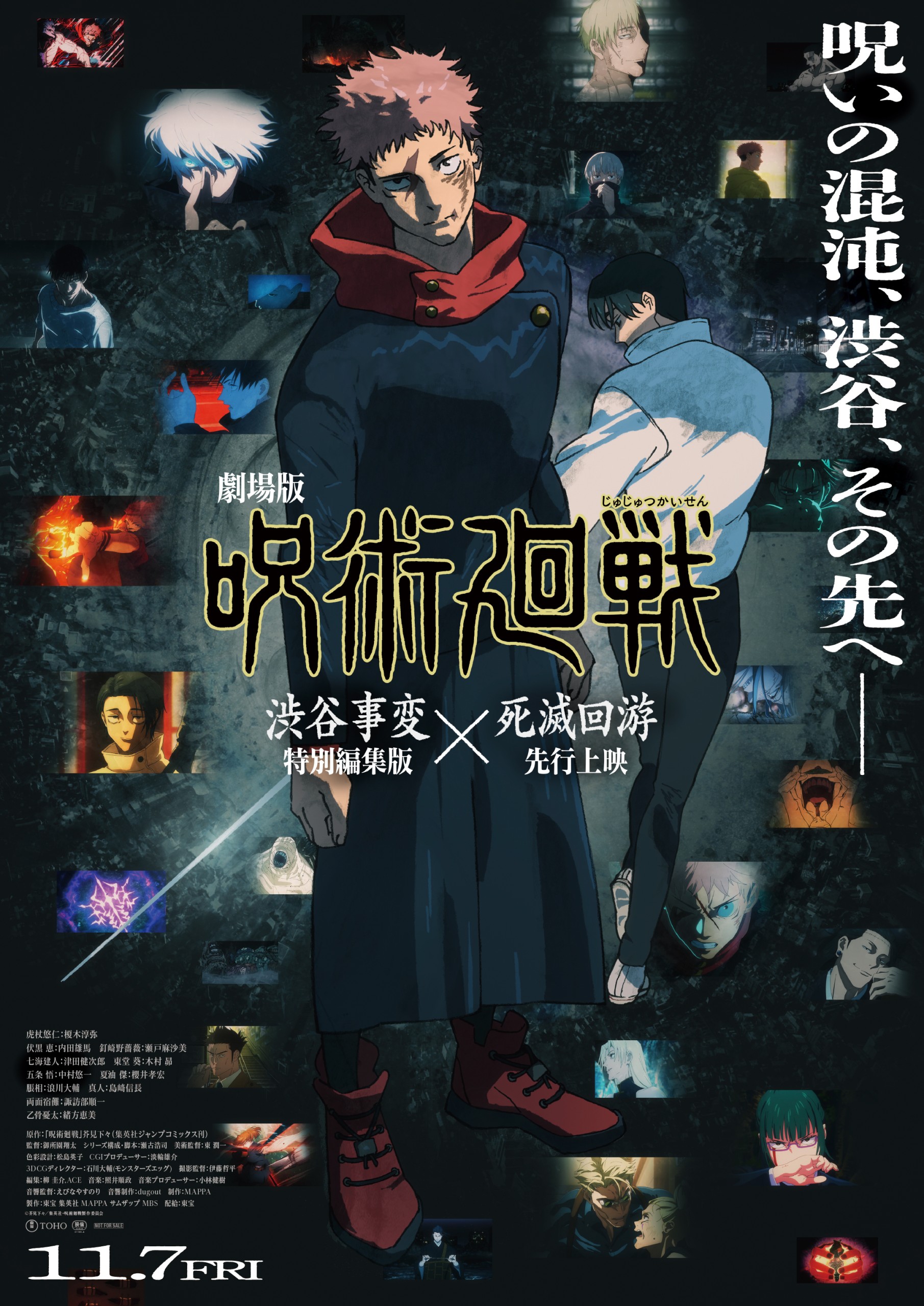
 Jujutsu Kaisen returns to the big screen with Jujutsu Kaisen: Execution — a slim, high-energy cinematic package that both recaps the Shibuya Incident and premieres two new episodes that feel cinematic in every sense. If you’re coming in cold, the film’s rapid-fire summary can be disorienting; if you’re a longtime fan, the new episodes deliver some of the most emotionally charged fights and surreal visuals the franchise has produced. Below, we break down what works, what to expect, and why this theatrical experience is worth your time.
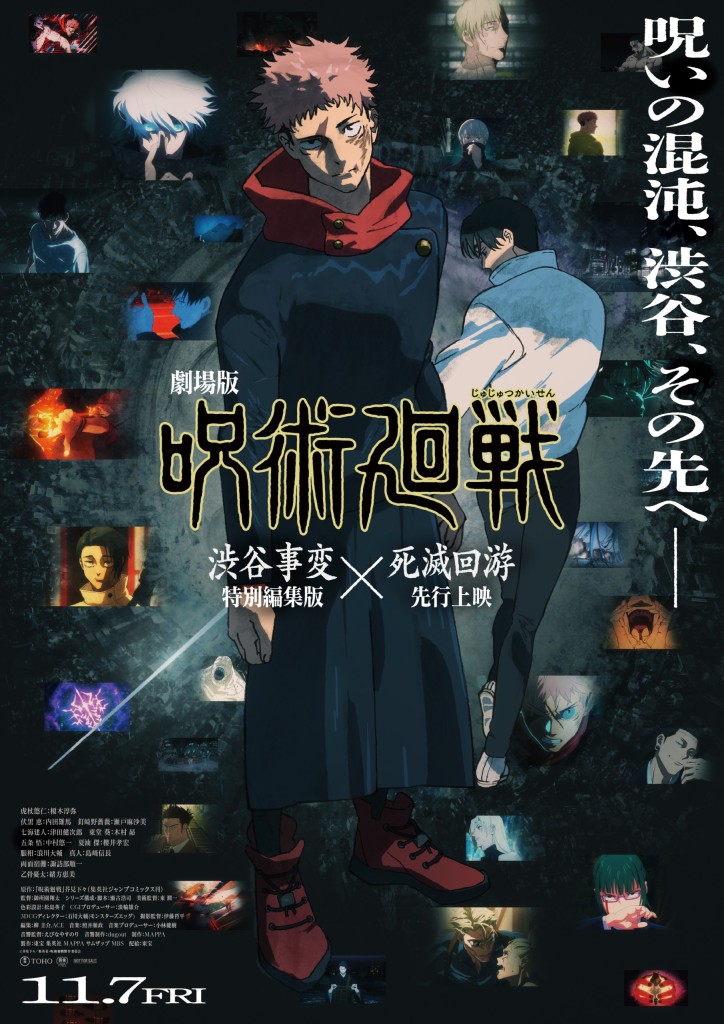
Jujutsu Kaisen: Execution brings the Shibuya fallout and two cinematic episodes to theaters.
Recap or Rapid Montage? How the Movie Handles the Shibuya Incident
The film opens by attempting to condense the sprawling Shibuya Incident into a brisk recap — a risky choice given the arc’s emotional and narrative weight. With roughly 42 minutes devoted to recap material that compresses nearly 18 episodes, the editing rarely pauses long enough to let moments breathe. Expect rapid cuts, music-driven montages, and fragments of viral moments rather than a line-by-line re-telling. That said, the stylistic decision isn’t without merit. The recap plays like an AMV turned official: beats hit to music, visuals collide in collage-like sequences, and the energy stays high. For returning fans this can be cathartic — a compressed adrenaline rush — while newcomers will likely feel lost unless they’ve already seen the source material. If you prefer skipping recap content, note the film’s structure and consider arriving for the portion that contains the two new episodes only.The New Episodes: A Gritty Reintroduction to Yuji
Once the recap gives way to original content, the cinematic tone shifts. We find Yuji Itadori alone and hardened in the ruins of Shibuya — surviving on scavenged rations, constantly hunted by curses, and physically pushed to his limits. The sequence that follows underscores parkour-like agility and raw physicality; Yuji’s stamina and improvised combat show how far he’s come, and how much he’s still carrying emotionally.Yuji vs Yuta: A Clash of Styles and Ideals
The centerpiece is the long-awaited face-off between Yuji and Yuta Okkotsu. The matchup is brilliantly choreographed to accentuate the contrast between the two protagonists: Yuji’s brawl-driven, body-first approach versus Yuta’s swordwork and overwhelming released energy. Each strike feels decisive, and the choreography makes clear that a single error could be fatal for either side. The fight isn’t just spectacle — it’s character storytelling, with both combatants revealing personal scars and philosophies through movement.Standout Supporting Moments
Beyond the main duel, smaller skirmishes add texture and emotional color to the premiere. A standout sequence features former antagonist Choso against Naoya, a minor yet odious member of the Zenin clan. Naoya’s smug misogyny and vanity make him an excellent foil, and his eventual comeuppance is both satisfying and narratively earned. These side battles do a great job of reinforcing the series’ themes — pride, legacy, and the human cost of power — without derailing the main plot.Story Direction: Death Game Stakes and New Mysteries
The narrative direction shifts the series toward a “death game” setup reminiscent of high-stakes free-for-alls where survival is the primary objective. Hints about Yuji’s pre-finger origins are teased, giving fans new avenues to speculate about his power and place in the world. The premiere also answers a lingering curiosity by revealing the voice behind the series’ narrator, and it closes on a cliffhanger that feels purposeful rather than cheap — a proper hook for what comes next.Animation, Direction, and Visual Experimentation
MAPPA’s seasonal team continues to push boundaries, opting for experimental visuals that oscillate between blockbuster polish and arthouse sensibility. Monsters dissolve into kaleidoscopic shapes, impact frames are stretched into elongated smears, and perspective shifts create disorienting, dream-like fight spaces. Even at moments when the animation is rough around the edges, the creative choices serve the tone: surreal imagery heightens the supernatural aspects and gives the fights a visceral, otherworldly feel.Why the Experimental Approach Works
- It emphasizes emotional beats over literal continuity, making fights feel like psychological duels as much as physical ones.
- It allows animators to play with lighting, color, and motion in service of atmosphere.
- It gives the theatrical episode premiere a unique identity that rewards a big-screen viewing experience.
Comments
Post a Comment