Hana-Kimi episode 6 shifts gears from flirtatious school hijinks into a tighter, more emotionally charged arc — one that centers on Sano’s recovery and the pressure placed on him by adults and rivals alike. This installment mixes genuine heart with uncomfortable character beats, raising questions about who’s driving the story and whether the anime’s production can do justice to the source material.
Episode 6 recap: A high jump, a harsh visit, and shifting priorities
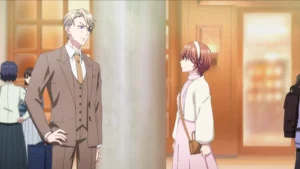
Episode 6 opens with a tense, adult interruption to the otherwise school-focused plot: Mizuki’s brother Shizuki arrives and creates friction. The encounter quickly exposes possessiveness and control that sit uneasily next to the show’s lighter moments. While Mizuki navigates family pressure, Sano prepares for a comeback at the track meet — a return that forces his emotional state into the spotlight. Between confrontations and training, the episode refocuses the series on Sano’s recovery and the dynamic of support around him.
Character focus: Who stands out (for better or worse)
Shizuki — protector or antagonist?
Shizuki’s presence is the episode’s most polarizing element. His behavior toward Mizuki reads as domineering rather than protective, and several scenes make that impression unavoidable:
- He describes Mizuki in reductive terms despite her deliberate choice of attire when confronting him at the hotel.
- His obsessive, controlling tone over Mizuki’s decisions undercuts any claim of “protective” behavior.
- He wanders onto the school grounds without authorization, a troubling disregard for boundaries.
- Physicality in his interaction with Mizuki — a sudden wrist grab — comes off as forceful and unnecessary.
- He issues an ultimatum that unfairly involves Sano’s physical recovery, demonstrating a lack of empathy.
All of this adds up to a character who’s difficult to sympathize with. While some will argue these traits are meant to heighten drama, they also risk undermining Mizuki’s agency and the tone of the series.
Umeda — the adult who actually helps
By contrast, Umeda emerges as the grounded, competent adult in Mizuki’s life. He calls out problematic behavior, offers practical support, and provides context to help Mizuki when she needs it. Umeda’s brusque exterior disguises a dependable figure — the kind of adult that young characters can realistically lean on without being infantilized.
Mizuki and Sano — shifting protagonists
One of the episode’s clearer implications is a change in narrative emphasis: Sano becomes the emotional center. Mizuki’s role tilts toward that of encourager and caregiver, supporting Sano’s physical and mental comeback. Sano’s journey — his fears, training, and competition pressure — reads like the central arc, while Mizuki’s love-driven motivations act as a supportive thread rather than the primary engine. This reframing will matter to viewers expecting a straightforward romcom; the show is increasingly a sports-comeback story with romantic undertones.
Thematic analysis: Sports drama through a shojo lens
When you look at episode 6’s structure and stakes, the show briefly resembles a sports anime: clear goals, measurable progress (the high jump), rivalries, and the protagonist’s internal struggle. Yet it retains shojo trappings — focus on relationships, emotional beats, and personal encouragement. That juxtaposition can be compelling: you get the momentum of a comeback arc with the emotional intimacy of a character-driven romance. But it also leaves the series at risk of uneven tone if the production doesn’t knit those elements together cleanly.
Production values: When the adaptation falls short
Where the episode falters most noticeably is in its animation and compositing. A few recurring problems stand out:
- Stiff, unnatural walk cycles that break immersion.
- Characters appearing flat or “cut out” against 3D environments, producing a dollhouse effect.
- Inconsistent lighting and background work that undermine emotional scenes instead of enhancing them.
These issues make certain dramatic moments feel less impactful than they should. When a story relies on physical feats and small, vulnerable gestures, the animation must carry weight — and here, the production frequently underdelivers. For fans of the manga, that gap between source material elegance and animated execution can be frustrating.
How the episode reframes Hana-Kimi
Episode 6 signals a tonal pivot: from lighthearted gender-bender comedy to character-driven recovery drama. That shift isn’t inherently bad — it adds emotional depth and raises stakes for Sano — but it demands consistency in writing and animation to be persuasive. The episode does succeed in making Sano’s comeback feel meaningful, yet problematic adult behavior and underwhelming visuals cloud that achievement.
Where to watch
Hana-Kimi is currently available for streaming on Crunchyroll (rel="nofollow" target="_blank">Crunchyroll
).For series details, episode lists, and community discussion you can also check the show’s listing on MyAnimeList (rel="nofollow" target="_blank">MyAnimeList
).Final thoughts
Episode 6 of Hana-Kimi offers compelling emotional beats anchored by Sano’s comeback, but its impact is dulled by problematic adult characterization and shaky animation. Umeda’s steadying presence provides a welcome contrast to Shizuki’s possessiveness, and the sports-style framing of Sano’s arc is a promising direction — if the series can sustain that momentum and improve its visual storytelling. Fans of the manga may find the adaptation uneven, but there are still moments of genuine heart that make the episode worth watching for those invested in the characters’ journeys.
https://www.myanimeforlife.com/hana-kimi-episode-6-review/?feed_id=162604&_unique_id=69850b62ef92c
Comments
Post a Comment