Episode 5 of Tamon’s B-Side doubles down on the series’ most effective strengths: visual gags, an affectionate parody of idol culture, and a protagonist whose fandom feels sincere rather than mockable. This installment gives Utage several standout moments that highlight both her devotion to Tamon and the show’s willingness to lean into silly, self-aware humor. Below I break down the episode’s key beats, what they mean for the characters and F/ACE, and why the series continues to shine when it embraces its playful tone.
Episode overview: quick laughs and character beats
This episode wastes no time landing memorable visual jokes while moving the F/ACE competition forward. Right out of the gate we get a moment where Ouri’s question about whether Utage and Tamon are “going out” is immediately interrupted by Utage’s imagination—complete with a mental image pairing her with Hottiehara. It’s a succinct bit that shows how Utage interprets Tamon’s public persona: less romantic partner, more an all-encompassing object of fandom. That duality—adoration without delusion—is what makes Utage so fun to follow.
Visual comedy: A+ timing and design
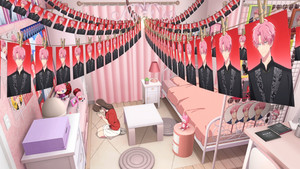
One of the episode’s strengths is how often a single frame could serve as a thumbnail or meme. The show’s visual humor is deliberate and precise: the pixelated “low-res” gag when everyone looks inferior next to Tamon, the exaggerated portrait of Utage’s shrine-like room, and the sudden cutaways that land like comedic punches. These beats are elevated by consistently strong animation and direction—timing and framing make the gags land harder than they would on script alone. Even if the production values were lower, the writing’s visual imagination would still carry many of these jokes.
DIY fandom as character building
A highlight is Utage’s shrine: a room absolutely covered in Tamon merch, with the ceiling wallpapered in hand-cut photos (the episode claims she’s cut at least 900). The sequence does more than elicit laughs; it defines Utage as a fan who is obsessive but creative—someone who would have thrived in the pre-internet DIY era of magazine clippings and handmade collages. That specificity gives her fandom texture and nostalgia, which helps the audience empathize rather than mock.
Plot implications: the F/ACE competition and its fallout
Despite Utage’s fervent support, both Tamon and Ouri lose to Keito in the episode’s contest. The defeat is framed more as an emotional beat than as a technical failure—Tamon and Ouri aren’t total disasters, but exhaustion prevents them from delivering their best. Keito, introduced early on as a natural leader, becomes the obvious victor. This outcome raises questions that will shape the next arc of the series: how will Tamon’s confidence be affected, and what ripple effects will that have on Utage’s devotion?
Potential character dynamics after the loss
The loss doesn’t just change rankings; it introduces new tension and opportunity. If Tamon becomes gloomier, will Utage’s stan energy dim? Or will her fixation harden into a caretaking obsession? Meanwhile Ouri’s attempt to step out of his parent’s shadow makes this setback especially poignant: it’s not simply about losing a contest, it’s about self-worth and identity. Lastly, Keito’s victory opens the door for him to appear more frequently—possibly as a new magnet for Utage’s charms. A budding reverse-harem angle would fit the series’ indulgent, self-insert tone perfectly, and it’s easy to imagine the show leaning into that for laughs and romance-adjacent tension.
Tone and genre: when parody becomes affection
Tamon’s B-Side thrives when it’s unapologetically silly and indulgent. The best scenes are those where the show embraces fanfiction aesthetics—over-the-top romantic imaginings, the protagonist’s intrusive daydreams, and visual shorthand that reads like a love letter to idol fandom. Crucially, the series laughs with its characters rather than at them. Utage is treated with generosity; her foibles are framed as earnest devotion instead of caricature, which helps keep the tone warm even as the show pokes fun at idol culture’s extremes.
Why Utage’s portrayal matters
Utage isn’t a blank fangirl cliché. She’s emotionally literate and observant—able to see through Tamon’s public image and still choose to adore him for it. The show’s willingness to give her agency and interiority makes her more than a comedic foil: she’s the lens through which the audience experiences the absurd world of F/ACE. When the series treats her respectfully, the humor lands softer and the stakes feel real enough to care about.
What to watch for in upcoming episodes
- How Tamon’s mood develops after losing the competition—does it dent his confidence or inspire growth?
- Whether Keito becomes a recurring figure and how his presence affects Utage’s “reverse-harem” possibilities.
- Moments that expand Utage’s character beyond fan antics—scenes that reveal why she connects to Tamon on a personal level.
- More visual gags that push the anime’s already sharp comedic timing and design language.
Tamon’s B-Side is currently streaming on Crunchyroll, where new viewers can catch up on the series and judge for themselves how the show balances parody with sincere character work.
Final thoughts
Episode 5 showcases Tamon’s B-Side at its best: focused visual comedy, a protagonist whose fandom is both funny and empathetic, and narrative developments that open interesting emotional avenues without sacrificing the series’ lighthearted tone. The show’s particular brand of affectionate parody—bolstered by strong animation and precise comedic timing—continues to make it a standout for anyone who enjoys idol riffs, character-driven humor, and a heroine you genuinely root for. If future episodes keep leaning into this mix of indulgence and heart, Tamon’s B-Side should remain one of the season’s most enjoyable surprises.
https://www.myanimeforlife.com/tamons-b-side-episode-5-review/?feed_id=161689&_unique_id=697e6f0a662da
Comments
Post a Comment